As South Africa’s public transport and fuel costs continue to rise, individuals and communities are increasingly seeking strategies to mitigate these financial pressures. These escalating expenses affect not only daily commuters but also the broader economy, pressing the importance of effective management strategies. In this post, we explore practical and innovative solutions aimed at alleviating the impact of high transportation costs.
In South Africa, the rise in transportation expenses is a multifaceted issue, driven by global oil prices and local economic factors. This increase places a significant burden on consumers who rely heavily on public transport for commuting. Finding efficient strategies to cope with these expenses requires a comprehensive understanding of both the challenges and potential opportunities within the public transport system.
Adapting public habits to counter rising costs
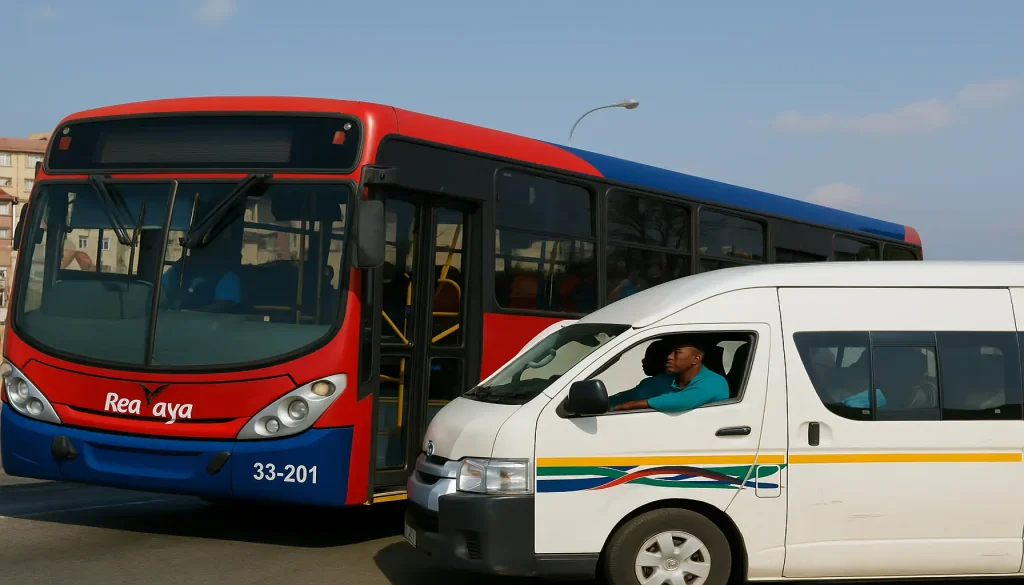
Adjusting public habits offers a viable strategy for managing rising public transport and fuel costs effectively. Encouraging ride-sharing, carpooling, and increased use of public transportation can collectively lower individual transport expenses. By fostering a culture of shared mobility, communities can reduce the overall fuel demand, subsequently lessening environmental impact and personal financial strain.
Promoting alternative modes of transport, such as cycling and walking for shorter distances, can also significantly reduce reliance on expensive fuel and public transport options. Investing in infrastructure that supports these alternatives, such as bike lanes and pedestrian paths, is crucial. These changes not only aid cost reduction but also contribute to healthier lifestyles and cleaner cities, offering multiple long-term benefits.
Leveraging technology and innovative solutions
Technology plays a pivotal role in effectively managing transportation expenses. Mobile apps that facilitate ride-sharing and provide real-time public transport schedules can enhance convenience and affordability. By integrating technology into transport systems, commuters gain better control over their travel choices and expenses, allowing for more strategic and cost-effective journey planning.
Moreover, adopting digital payment solutions and loyalty programs can incentivize frequent users of public transport, offering discounts and enhancing user experience. These innovations not only streamline operations within the public transport sector but also foster greater reliance on shared transport modes, ultimately reducing overall costs and environmental impact.
Government policies and community initiatives
Government involvement is vital in tackling rising public transport and fuel costs through effective policy-making and subsidies. Implementing policies that incentivize public transport use and regulate fuel prices can significantly alleviate the financial pressures on commuters.
Collaborative community initiatives, such as carpool programs organized at workplaces and local groups, can also play a crucial role. By working together, communities can develop localized solutions that meet specific needs, further reducing reliance on private vehicles and contributing to collective savings. These efforts build more resilient and financially sustainable transportation ecosystems.
Practical approaches for immediate relief
Identifying practical methods for immediate financial relief is essential for those affected by rising transport costs. Simple measures such as optimizing travel routes, consolidating errands into fewer trips, and maintaining vehicles for fuel efficiency can significantly impact individual budgets. Moreover, attending workshops or accessing online resources for budget travel tips can equip commuters with cost-saving techniques.
Encouraging employers to offer flexible working arrangements, such as remote work or staggered hours, can also reduce peak-time transportation stresses and costs. By spreading commutes throughout the day, the pressure on public transport systems decreases, potentially leading to fare reductions and improved service quality.
Shaping a sustainable transport future
Addressing South Africa’s public transport and fuel costs requires a holistic approach that encompasses policy, technology, and community engagement. By embracing these strategies, South Africa can pave the way for a more equitable and sustainable transport system. These efforts not only alleviate immediate financial pressures but also contribute to a resilient economy and improved public welfare.
Acting on these insights promotes a shared vision of sustainability and economic stability, benefiting both commuters and the environment. Continued collaboration between government, technology developers, and the public is essential to innovate and implement effective strategies for managing transport expenses in South Africa.